TRT Replacement Therapy Near Me and Men’s Health Basics

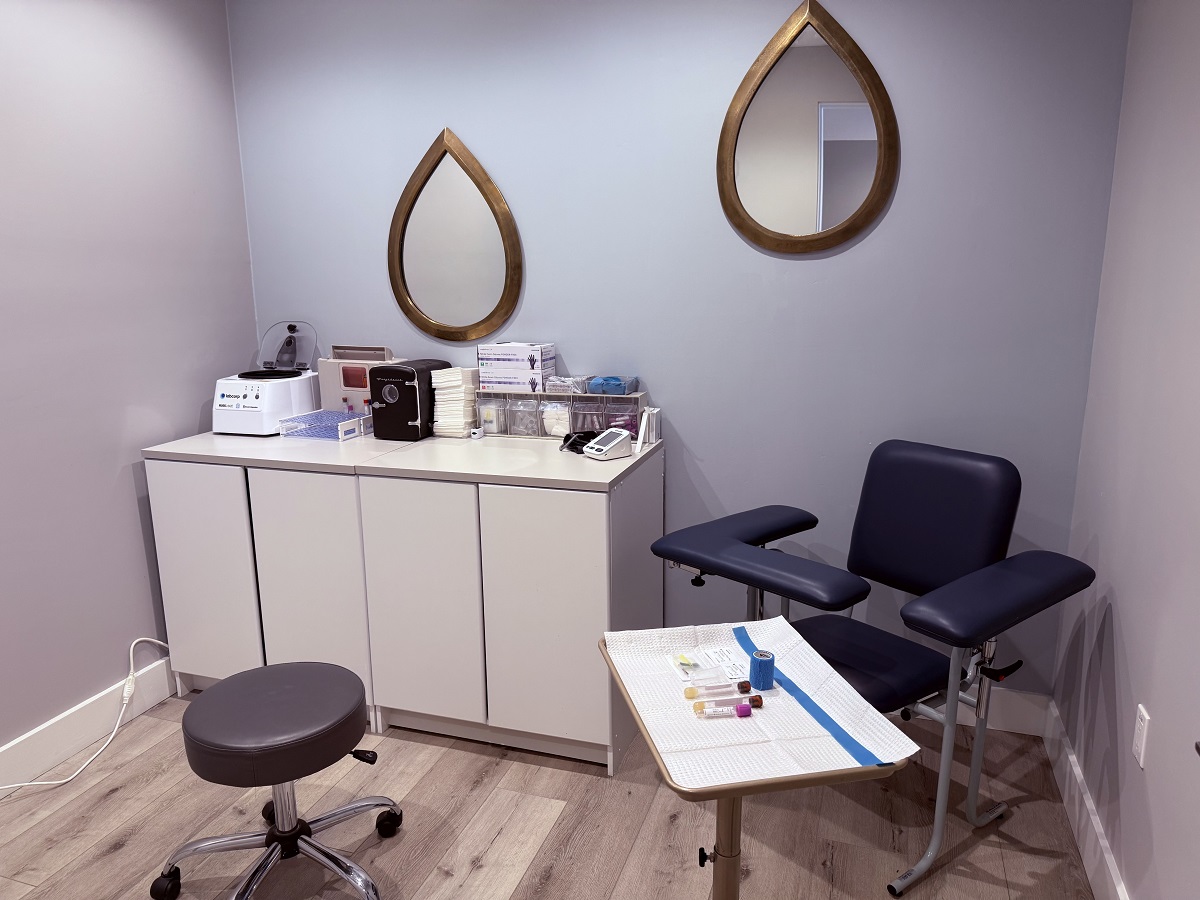

Searches for Trt replacement therapy near me usually start the same way. A man has felt off for months, sometimes years. He is more tired than he used to be. His workouts do not translate into strength the way they once did. He is carrying more abdominal fat, sleeping worse, and noticing that his sex drive has changed. Often the first assumption is stress, age, or a rough patch. Sometimes that is true. Sometimes it is not.
Testosterone replacement therapy, usually shortened to TRT, can be helpful for the right patient. It can also be oversold, rushed, or started without enough diagnostic work. That matters, because low testosterone is not a fashion diagnosis or a shortcut to feeling twenty-five again. It is a real medical issue with real criteria, and men deserve a more careful conversation than the one they often get from slick ads and vague promises.
The useful place to start is not with treatment, but with basics. What counts as low testosterone, what symptoms actually matter, how a proper workup should look, and how to find a clinic that treats the whole person rather than just a lab number.
What testosterone does, beyond the stereotypes
Most people connect testosterone with sex drive and muscle. That is only part of the picture. Testosterone influences red blood cell production, bone density, body composition, mood, motivation, and energy. It also interacts with sleep, thyroid function, insulin resistance, stress hormones, and fertility.
That overlap is one reason men can feel frustrated. The symptoms of low testosterone are common and nonspecific. Fatigue can come from sleep apnea, depression, iron deficiency, long work hours, overtraining, diabetes, chronic pain, or heavy alcohol use. Low libido can reflect relationship strain, anxiety, medication side effects, or untreated metabolic disease. Weight gain can drive testosterone lower, and low testosterone can make weight control harder. Cause and effect can blur.
A man in his mid-forties might come in convinced his issue is testosterone because his gym performance has dropped. Then his sleep history reveals loud snoring, morning headaches, and exhaustion by 3 p.m. Treating sleep apnea may improve his testosterone level and his symptoms without jumping straight to hormone therapy. Another man may do everything right, still have repeated low morning testosterone values, and feel markedly better once properly treated. The point is not to talk men out of TRT. The point is to match the treatment to the actual problem.
When low testosterone is worth investigating
Age alone is not a diagnosis. Testosterone does tend to decline gradually over time, but healthy aging does not automatically mean clinically significant hypogonadism. Doctors generally take the question seriously when symptoms line up with laboratory evidence, especially if symptoms persist despite decent sleep, nutrition, exercise, and stress management.
Common concerns include reduced libido, fewer spontaneous morning erections, erectile changes, depressed mood, reduced motivation, lower physical endurance, diminished muscle mass, increased fat mass, and difficulty recovering from training. Some men also describe a kind of flattening, less drive, less sharpness, less resilience. That is hard to quantify but often very real in practice.
Still, symptoms alone are not enough. A single blood test from the afternoon is not enough either. Testosterone levels fluctuate through the day and are usually highest in the morning, especially in younger men. Illness, poor sleep, calorie restriction, and medications can temporarily lower levels. A sound evaluation should account for that.
How diagnosis should actually happen
This is where quality of care separates serious medicine from assembly-line hormone sales. A proper assessment usually includes at least two morning testosterone measurements on separate days, along with a symptom review and a look at the broader hormonal and metabolic picture.
Total testosterone is the most common starting point, but it does not always tell the full story. Sex hormone-binding globulin can affect how much testosterone is biologically available, so free testosterone may matter, particularly in men with obesity, aging-related changes, thyroid issues, or liver disease. Luteinizing hormone and follicle-stimulating hormone can help distinguish whether the issue originates in the testes or higher up in the hormonal signaling pathway. Prolactin may be checked if symptoms or labs suggest a pituitary issue. Estradiol, thyroid labs, complete blood count, metabolic markers, and prostate-related screening may also be appropriate depending on age, symptoms, and history.
A decent clinician does not treat a number in Trt replacement therapy near me isolation. He or she asks about medication use, including opioids, steroids, antidepressants, and finasteride. The evaluation should cover alcohol intake, cannabis use, fertility goals, weight changes, sleep quality, and chronic illnesses. Men are often surprised by how many everyday factors can push testosterone down.
One common mistake is testing too soon after a bad week. If a man slept four hours a night, traveled across time zones, had the flu, and then got a blood draw at 2 p.m., the result may tell you very little. Another mistake is treating “borderline” values aggressively without asking whether symptoms fit or whether a reversible factor is driving the result.
Why “near me” matters more than convenience
The phrase Trt replacement therapy near me usually reflects convenience, but it should also raise a more useful question: who, exactly, is nearby? Not all clinics operate with the same standard.
Some practices focus on comprehensive men’s health. They evaluate hormones, cardiovascular risk, weight, blood pressure, sleep, and sexual function in one coordinated plan. Others function more like retail hormone outlets. The difference shows up fast. In a thorough clinic, the first visit often involves a long conversation, not a sales pitch. You are asked about symptoms, family history, prostate history, fertility plans, and prior lab work. Risks are discussed before prescriptions. Follow-up intervals are clear. Monitoring is built into the process.
In a thinly supervised setting, the pattern can be the opposite. A patient may get one lab panel, a rapid recommendation, and a treatment package before basic questions are answered. Dosing may be cookie-cutter. Fertility may not even come up until the patient later discovers his sperm count has fallen. Men deserve better than that.
Local care also matters because TRT is not “set it and forget it” medicine. It requires follow-up. Doses often need adjustment. Side effects need monitoring. A clinic that is close enough for practical, consistent care has a real advantage.
What to look for in a TRT clinic
A good men’s health clinic tends to be identifiable within the first few interactions. The website matters less than the intake process and the medical reasoning.
- They confirm symptoms and repeat morning labs before starting therapy.
- They ask about fertility goals before prescribing anything.
- They explain monitoring for blood counts, estrogen-related symptoms, and prostate issues when relevant.
- They discuss alternatives when testosterone is not clearly the right first move.
- They have a plan for follow-up, not just the first prescription.
Those points sound basic, but they eliminate a surprising amount of poor-quality care. If a clinic guarantees treatment before seeing your full workup, that is not a reassuring sign. If the messaging feels built around masculinity anxiety rather than medicine, pause.
TRT is not one thing
Once a man truly qualifies for treatment, the next question is how therapy is delivered. The public often hears “TRT” as if it is a single product. It is not. The main options include injections, topical gels, patches, pellets, and in some cases other approaches that stimulate endogenous testosterone production rather than replacing it directly.
Injections are common because they are effective and often affordable. Some men do well with weekly dosing, while others feel better with smaller, more frequent injections to reduce peaks and troughs. The ideal schedule depends on response, side effects, and practicality. Gels are convenient for men who dislike needles, but they require consistent daily use and carry a risk of transfer to partners or children through skin contact if precautions are not followed. Pellets appeal to men who want fewer dosing events, though insertion requires a procedure and dose adjustment is less flexible.
This is where individualized medicine matters. A man who travels constantly may value one delivery method. A man with young children at home may prefer another. A man sensitive to hormonal swings may notice a real difference between weekly and twice-weekly injection patterns. There is no universal best format, only a best fit.
Expected benefits, and what should not be promised
When TRT is used appropriately, men often report better libido, improved energy, enhanced sense of well-being, and stronger training recovery. Some see favorable changes in body composition over time, especially when they are also lifting weights, eating enough protein, and sleeping better. Erectile function may improve, but it is not guaranteed, particularly when vascular disease, diabetes, or performance anxiety is part of the picture.
The timeline matters. Some effects can appear within weeks, while body composition and strength changes usually take longer. Bone density benefits, when relevant, are slower still. That lag can frustrate patients who expect a dramatic overnight shift. Responsible clinicians set realistic expectations early.
No ethical clinic should promise that TRT will fix every problem associated with aging. It will not erase poor sleep, untreated depression, high alcohol intake, relationship conflict, or a sedentary lifestyle. It is not a replacement for basic health habits. In fact, the men who do best are usually the ones who treat TRT as one component of a larger plan.
The risks and trade-offs men should understand
TRT is often discussed either as a miracle or as a danger. Neither extreme helps patients make good decisions. The real picture is more nuanced.
One of the best-known risks is an increase in hematocrit, the proportion of blood made up by red blood cells. Testosterone can stimulate red blood cell production, and in some men that can raise blood viscosity enough to become a concern. That is why periodic blood counts matter. Some men need dose adjustments or further evaluation if the rise is significant.
Acne, oily skin, breast tenderness, fluid retention, and mood changes can occur, though frequency and severity vary. Estrogen-related effects may matter in some patients, but reflexively adding extra medication without a clear reason is not always wise. Thoughtful dosing usually beats medication stacking.
Fertility deserves special emphasis. TRT can suppress the body’s own testosterone production and reduce sperm production, sometimes substantially. A man who wants children in the near future should not gloss over this point. In some cases, other treatment strategies may be better, or fertility-preserving plans may be discussed. This is one of the most common regrets when care is rushed.
Sleep apnea can worsen or become more obvious in some men on TRT, which is another reason a good sleep history matters before treatment. Prostate concerns are often discussed as well. Current thinking is more refined than the old blanket fears, but a man’s age, symptoms, family history, and baseline screening still influence how carefully this part is handled. The answer is not panic, but thoughtful monitoring.
Men’s health basics that affect testosterone more than people expect
One of the most useful clinic conversations is the one where a patient learns that hormone health is tied to plain, unglamorous fundamentals. The men who get the best outcomes, whether or not they go on TRT, usually address these basics first.
Sleep is probably the biggest overlooked factor. Repeated short sleep can meaningfully lower testosterone and raise appetite, insulin resistance, and stress hormones. Men with untreated sleep apnea often feel old before their time, and the lab work can reflect it.
Body composition matters too. Excess visceral fat can shift hormone balance in ways that suppress healthy testosterone physiology. Weight loss, especially when paired with resistance training, can improve natural testosterone production in some men. Not always enough, but sometimes enough to avoid or delay medication.
Alcohol also deserves more attention than it gets. Regular heavy intake can drag down hormone function, disrupt sleep, and worsen blood pressure and weight control. The man who wants better energy and libido while drinking heavily every weekend is often trying to fix the wrong part of the system first.
Strength training helps, but context matters. A smart lifting program supports hormone health. Chronic under-recovery, severe dieting, and overtraining can do the opposite. The body reads energy availability and stress load very clearly.
The overlap between testosterone and cardiovascular health
Men often come to TRT clinics looking for more energy, but what they actually need is cardiovascular risk assessment. Low testosterone and poor metabolic health frequently travel together. Abdominal obesity, high triglycerides, low HDL cholesterol, elevated blood sugar, and high blood pressure often show up in the same Trt replacement therapy near me patient.
That overlap does not mean TRT is a cardiovascular treatment. It does mean a good men’s health evaluation should never stop at hormones. If a man has low energy, erectile dysfunction, and a waistline that has grown steadily over the last decade, it is prudent to consider insulin resistance, hypertension, and sleep apnea alongside testosterone.
Erectile dysfunction, in particular, can be an early vascular warning sign. It is easy to frame it as a hormone problem because that feels simpler, but blood vessel health is often central. A clinic that treats sexual symptoms without checking broader risk factors is missing a major part of the picture.
How follow-up should work after starting treatment
Once therapy begins, monitoring becomes part of the treatment itself. Without it, even a reasonable prescription can drift into poor care. Most clinicians will recheck labs after a period of treatment, often within a couple of months, then at intervals that make sense for the patient’s stability and risk profile.
A typical follow-up conversation should cover symptom response, timing of doses, libido, erections, mood, exercise capacity, sleep, side effects, and any practical issues with the delivery method. Lab work often includes testosterone levels, complete blood count, and other markers depending on age and clinical context.
Patients sometimes focus only on whether the lab number rose. That is understandable, but not enough. The better question is whether the right symptoms improved without creating new problems. A man whose number looks “perfect” but who has worsening sleep, irritability, or rising hematocrit is not necessarily on the right plan.
Questions worth asking before you commit
A short conversation at the right moment can save months of avoidable frustration. If you are considering care after searching Trt replacement therapy near me, these are practical questions to bring into the visit.
- How do you confirm low testosterone before treatment?
- What labs do you check before starting and during follow-up?
- How will TRT affect fertility, and what are my alternatives if I want children?
- Which treatment formats do you offer, and how do you choose among them?
- What side effects or warning signs should prompt me to call you?
A competent clinic should answer those without defensiveness or marketing language. Clear answers are a strong signal. Vague answers are useful too, because they tell you something about the clinic.
Why some men feel better on TRT and others do not
This part surprises patients. Two men can start treatment with similar baseline numbers and have very different experiences. One feels noticeably better within six weeks. Another sees only modest change. Often the difference lies in everything around the testosterone.
If a man starts TRT while still sleeping five hours a night, drinking heavily, skipping meals, and living under relentless work stress, the treatment has to fight upstream. If another man pairs treatment with resistance training, weight loss, better sleep, and blood pressure control, the result is often more impressive.
There is also individual biology. Hormone sensitivity differs. Delivery methods differ. Coexisting depression, thyroid disease, anemia, chronic pain, and medication effects can all change the experience. Men should know this before they begin. A measured response does not always mean the therapy “failed.” It may mean the full health picture still needs work.
The broader point about men’s health
Hormone therapy gets attention because it promises momentum. Men like direct solutions. There is nothing wrong with that. But the strongest clinics use that interest as a doorway into broader preventive care. Blood pressure gets checked. Sleep gets discussed. Waist circumference gets measured. Sexual symptoms become a chance to catch diabetes or vascular disease early. Mood changes become a chance to talk honestly about stress and burnout.
That is what good men’s health care looks like in practice. Not fear-based messaging. Not anti-aging fantasies. Not one lab value ruling the whole conversation. Just careful diagnosis, realistic treatment, and follow-through.
For the man looking up Trt replacement therapy near me, the most important decision is not whether testosterone sounds appealing. It is whether the clinic you choose understands men’s health as a system. If they do, TRT can be a valuable tool when it is truly indicated. If they do not, even a treatment with real benefits can be handled poorly.
The goal is not simply to raise testosterone. The goal is to help a man function better, think more clearly, maintain sexual health, protect fertility when it matters, preserve cardiovascular health, and age with more strength than decline. That requires more than a prescription. It requires judgment.
SDBody La Jolla
Address: 7710 Fay Ave, La Jolla, CA 92037
Phone number: +18584012383
FAQ About Trt replacement therapy near me
Will insurance pay for TRT therapy in La Jolla, CA?
Coverage varies by plan and may depend on the diagnosis, blood test results, medication and prior authorization. Ask your insurer which visits, lab tests and formulations it covers and what you would pay out of pocket.
What is the most affordable TRT clinic in La Jolla?
Compare written estimates for the initial visit, lab work, medication and follow-up monitoring. Your total cost will depend on your insurance and the care your clinician recommends.
Is TRT replacement good for you in La Jolla, CA?
Testosterone replacement may help some people with symptoms and consistently low testosterone confirmed by blood tests. A clinician can review the potential benefits, risks, fertility plans and monitoring needs before recommending treatment.